A clean dashboard does more than improve a car’s appearance. It creates a calmer cabin and helps preserve the surfaces drivers touch every day. Dashboard Wax can add a soft sheen, reduce the look of dry plastic, and leave a protective layer against dust and light UV exposure. However, its value depends on using the right product correctly. Not every dashboard needs a glossy finish.
In my experience, a small amount works better than a heavy coating. I once applied too much wax near an air vent, and the surface attracted dust within days. That mistake taught me an important lesson: protection should never compromise visibility, grip, or comfort. Professional detailers usually recommend cleaning loose dirt first, then testing the wax on a hidden area. The label matters, too. Some products suit textured vinyl, while others may be unsuitable for leather, soft-touch coatings, screens, or sensitive trim.
A reliable routine uses a clean microfiber cloth and gentle, even strokes. Avoid the steering wheel, pedals, gear selector, and instrument display. Slippery surfaces can create real handling concerns. A subtle finish often looks more natural than a wet shine. Results also vary with climate, dashboard age, and product quality. This is why careful observation matters. Dashboard Wax is not a magical repair solution, but it can support consistent interior care when selected thoughtfully. The best result is a dashboard that feels clean, looks well maintained, and still appears naturally lived in.
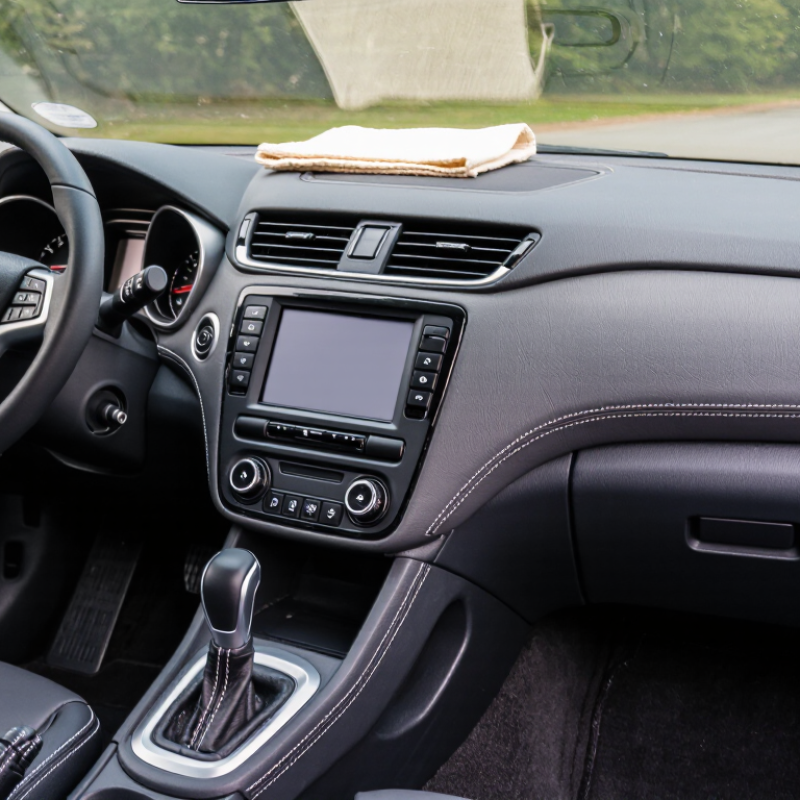
Why Choose Dashboard Wax for Car Interior Care?
Dashboard wax is a surface treatment, not a repair product. Many formulas leave a thin silicone film across plastic, vinyl, or synthetic leather. This film can reduce dry friction and create a smoother, darker appearance. However, it may also attract dust when applied too heavily. I learned that one light coat works better than a glossy layer.
The more technical ingredient is the UV absorber. It captures or weakens part of the ultraviolet energy reaching the surface. The World Health Organization reports that up to 80% of UV radiation can pass through light cloud cover. A parked vehicle still receives serious exposure. ISO 4892-2 and SAE J2412 use controlled light and heat testing to evaluate automotive material aging. These standards show why protection should be judged over time, not after one shiny application.
Material compatibility matters more than appearance. Textured polypropylene can accept a light film, while soft-touch coatings may become uneven or slippery. Synthetic leather can also change feel if silicone accumulates inside its pores. I recommend cleaning first, applying wax to a microfiber cloth, and testing a hidden section. Keep the steering wheel, pedals, and gear selector free from residue. That caution sounds excessive, but interior materials vary widely. A dashboard wax can support maintenance, yet it cannot reverse cracking, fading, or heat damage. Sometimes, less product is the more professional choice.
A practical comparison of dashboard-wax functions, material compatibility, and care considerations
| Data Dimension | What Dashboard Wax Provides | Relevant Material or Ingredient | Practical Benefit | Important Limitation |
|---|---|---|---|---|
| Surface film | Leaves a thin, water-resistant coating after application and buffing. | Silicone fluids or silicone emulsions, depending on the formulation. | Creates a smoother feel and can improve the visual uniformity of textured plastic. | The film does not repair cracks, deep scratches, fading, or damaged plastic. |
| UV exposure | May help reduce surface drying and appearance changes when the formula contains light stabilizers. | UV absorbers and hindered amine light stabilizers may be used in some interior-care products. | Supports longer-lasting appearance of exposed vinyl and plastic surfaces. | A dashboard product is not a substitute for a vehicle’s glass, shade, or physical sun-protection measures. |
| Gloss level | Can produce a satin, natural, or glossy appearance, depending on the amount and type of silicone and additives. | Silicone concentration, emulsion particle size, solvents, and finishing agents. | Allows the user to select a finish that matches the original interior appearance. | Excess product may create glare on the windshield or an uneven, oily-looking finish. |
| Dust behavior | A properly buffed, low-residue coating can reduce the roughness that makes dust appear prominent. | Water-based emulsions and low-residue finishing systems generally leave less solvent odor than solvent-heavy formulas. | Makes routine dust removal easier and helps maintain a cleaner appearance. | No wax prevents dust from settling; heavy or wet application can attract residue and fingerprints. |
| Vinyl and soft-touch plastics | Provides cosmetic conditioning and a temporary protective film when the product is labeled for these surfaces. | PVC-based vinyl, thermoplastic elastomers, and coated interior plastics may respond differently. | Can refresh color uniformity without changing the underlying material. | Some soft-touch coatings can become streaky, slippery, or visually altered; always test an inconspicuous area. |
| Leather and synthetic leather | May be suitable only when specifically formulated for finished automotive leather or coated synthetic leather. | Finished leather typically has a protective topcoat; synthetic leather commonly uses polyurethane or PVC coatings. | Can improve surface slip and appearance when compatibility has been confirmed. | Dashboard wax intended for plastic may leave leather too slippery or interfere with its intended feel. |
| Fabric, suede, and alcantara-type surfaces | Generally not recommended unless the care instructions specifically approve the product. | Porous textile fibers can absorb liquid carriers, silicones, or oils. | Avoiding unsuitable products helps preserve texture, color, and friction characteristics. | Application may cause permanent darkening, staining, reduced grip, or a patchy appearance. |
| Touch points and controls | Should be applied sparingly and completely buffed away from controls and frequently handled areas. | Silicone-based films can lower surface friction. | A dry, residue-free finish reduces the chance of a slippery feel. | Do not apply to the steering wheel, pedals, gear selector, handbrake, or other surfaces where reduced grip could affect control. |
| Cleaning performance | Primarily conditions and enhances appearance; it is not a replacement for removing dirt and oils. | Cleaning agents and surfactants perform soil removal, while silicones mainly provide finishing effects. | Using a cleaner first helps prevent sealing grime beneath the protective film. | Wax applied over unclean surfaces can lock in dust, fingerprints, or oily contamination. |
| Application method | Use a small amount on a clean microfiber cloth, spread evenly, and buff until the surface feels dry. | Microfiber helps distribute liquid products and collect excess residue. | Controlled application improves uniformity and reduces streaking. | Avoid spraying directly near glass, vents, electrical switches, displays, or airbag seams. |
| Expected durability | The visible finish gradually decreases with cleaning, abrasion, heat, and repeated contact. | Film durability depends on formulation, surface condition, temperature, humidity, and use frequency. | Regular light applications can maintain appearance more evenly than occasional heavy applications. | There is no universal service interval; follow the product label and reapply only when the finish has visibly diminished. |
It adds a thin surface film to plastic, vinyl, or synthetic leather. This film can reduce dry friction and create a darker appearance. It does not repair cracks, fading, or heat damage. Shine alone misleads.
Some formulas contain ultraviolet absorbers that weaken part of the incoming ultraviolet energy. This may slow material aging during repeated exposure. A parked vehicle still receives strong sunlight through light cloud cover. Protection requires time, not one dramatic application.
Use a small amount on a microfiber applicator. Spread one thin coat across a single section. Heavy layers may attract dust and leave greasy patches. Thin is better.
Yes, remove dust and oils with a clean, slightly damp microfiber towel. Let the surface dry completely before applying anything. Old cleaner residue can cause uneven darkening. Preparation matters more than extra product.
Textured polypropylene often accepts a light film. Soft-touch coatings may become slippery or develop uneven patches. Synthetic leather can feel different when silicone gathers in its pores. Always test a hidden corner.
Work in overlapping strokes, one small section at a time. Use very little product near vents, seams, buttons, and textured grain. These areas commonly retain residue. Inspect from several angles.
Follow the product instructions and allow enough time for the film to settle. Warm cabins can shorten the working window. Waiting too long may create a harder film and extra buffing. I have made that mistake.
Buff gently with a dry, soft microfiber towel. Turn the towel frequently to expose a clean section. For stubborn buildup, try a lightly damp cloth after testing it privately. Do not add more wax.
Avoid control surfaces unless the instructions clearly permit them. Residue may create an unwanted slippery feel. Keep the steering wheel, pedals, and gear selector clean and dry. Safety outweighs shine.
Check for an even appearance, smooth feel, and no cloudy streaks. Compare treated and untreated areas under similar lighting. Gloss measurements can help, but textured surfaces may scatter light. Our first readings may be inconsistent. That can reveal poor cleaning or uneven application.
Dashboard Wax is a specialized interior-care product designed to protect and refresh automotive dashboards and other plastic, vinyl, or synthetic surfaces. Its formula may create a controlled silicone-based film while incorporating UV absorbers to reduce drying, fading, and surface aging caused by sunlight. Selecting a suitable product requires attention to material compatibility, since different interior finishes can react differently to cleaners, conditioners, and protective coatings.
Performance can be evaluated through recognized testing principles, including UV exposure procedures similar to SAE J2412, gloss measurement under ASTM D523, and haze evaluation under ASTM D1003. Proper application is equally important: spread a thin, even layer, allow the recommended dwell time, and buff thoroughly to control residue and achieve a consistent finish. Safety testing should also consider OEM material compatibility, VOC emissions, and slip-risk data, particularly near steering wheels, pedals, and other control areas. When used carefully, Dashboard Wax can support a cleaner appearance, improved surface protection, and more predictable long-term interior care.

 ClanZhao