Choosing a Carburetor Cleaner for international markets is not as simple as comparing prices. Buyers must examine cleaning strength, material compatibility, packaging, transport safety, and supplier reliability. A product that works well on a steel throttle body may damage rubber seals or painted surfaces. Small details matter, especially when equipment sits outdoors, collects dust, or has thick fuel varnish.
Engine service specialist Michael Gray explains, “The best cleaner removes deposits without creating a second repair problem.” That principle guides this buying review. We will examine seven practical tips, including solvent performance, spray control, residue, container quality, technical documentation, and after-sales support. The right choice should leave metal bright, dry, and ready for adjustment. It should not leave an oily film inside narrow passages.
Global buyers also face inconsistent product claims. “Universal” does not always mean suitable for every carburetor. Regional labeling, safety data, and shipping requirements can differ. Buyers should request current SDS files, ingredient information, batch details, and clear application instructions. A low-cost aerosol may seem attractive, yet poor valve performance can waste labor and replacement parts.
There is room for doubt. No cleaner solves every blocked jet or damaged gasket. Sometimes replacement is wiser than aggressive cleaning. This guide therefore focuses on informed comparison, not exaggerated promises. By checking each factor carefully, buyers can reduce avoidable risks and select a Carburetor Cleaner that performs reliably across varied workshops, climates, and engine types.
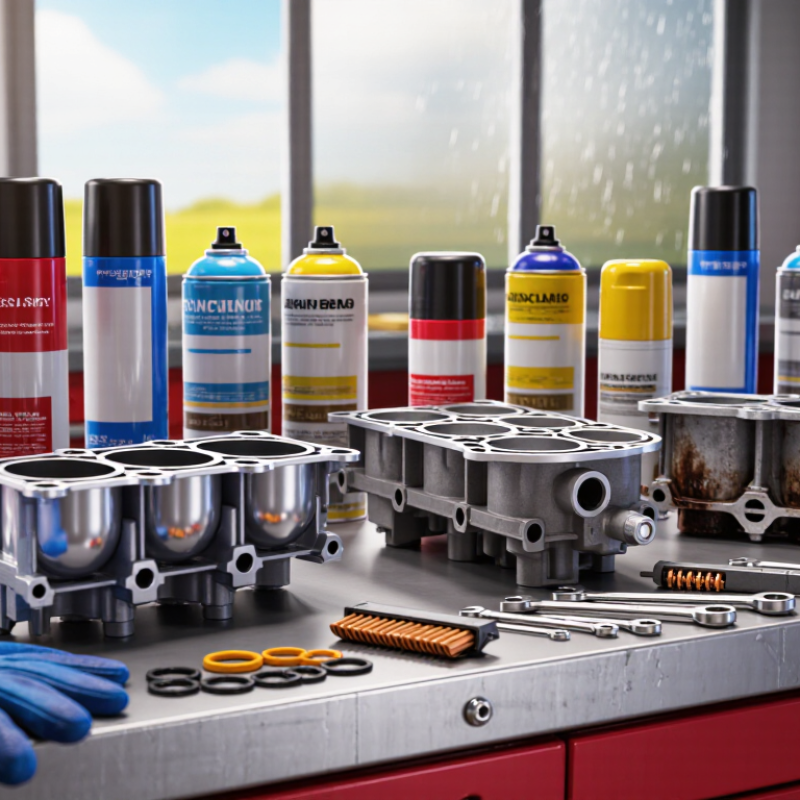
Before choosing a carburetor cleaner, define the exact cleaning task. Light varnish requires a different approach from hardened carbon. A clogged idle passage needs different attention from an exterior wipe. I inspect the carburetor before buying any product. Photograph it first. That small step prevents misplaced springs and linkages.
Check whether the unit contains aluminum, zinc, steel, rubber, or plastic parts. Compatibility matters because aggressive solvents may discolor metals or soften seals. Read the safety data and technical directions, not only the front label. Reliable guidance identifies compatible materials, ventilation needs, and contact limits. For international buyers, confirm that the technical sheet is available in a language your team understands. I also test a small hidden area. It is slower, but cheaper than replacing a damaged gasket.
Match formula strength to residue and component materials. For routine deposits, choose a cleaner intended for fuel varnish and light carbon. For stubborn buildup, confirm it can handle hardened residue without harming coatings. Do not assume stronger means better. It may remove grime quickly. It may also remove a protective finish. In my experience, spraying every passage creates avoidable mess and uncertain results. A controlled brush, short contact time, and clean air often work better. Never apply cleaner near ignition sources or on a hot engine. I once skipped a compatibility check, and a seal swelled later. That mistake changed my buying habit.
| Buying Tip | Cleaning Task to Define | Suitable Cleaner Characteristics | Carburetor Materials to Check | Compatibility and Performance Considerations | Buyer Verification Point |
|---|---|---|---|---|---|
| 1. Match the cleaner to the soil | Remove fresh fuel residue, varnish, gum, carbon, dust, or oily deposits. | A fast-evaporating solvent blend for light fuel residue; a stronger deposit-removal formula for aged varnish and carbon. | Aluminum, zinc-based castings, steel, brass, and plated components. | A cleaner effective on carbon may be unnecessarily aggressive for delicate finishes or non-metallic parts. | Request test results or a compatibility statement for the specific deposit and substrate. |
| 2. Confirm the application area | Decide whether cleaning will be performed inside the carburetor, on removed metal parts, or around the engine. | Use a controlled spray for spot cleaning and a suitable immersion product only when the formulation is approved for soaking. | Gaskets, O-rings, diaphragms, seals, floats, plastic fittings, and painted surfaces may remain installed. | Overspray can damage sensitive materials, remove protective coatings, or carry contaminants into passages. | Check whether the product is intended for on-equipment use, bench cleaning, or immersion cleaning. |
| 3. Review material compatibility | Clean metal passages without swelling, softening, cracking, or discoloring adjacent components. | A formulation with documented compatibility for aluminum alloys, zinc alloys, brass, steel, common plastics, and elastomers where required. | Commonly sensitive materials include some rubbers, thermoplastics, painted coatings, and adhesive-bonded parts. | Solvent resistance varies by material grade; never assume that all plastics or seals have the same resistance. | Ask for immersion or spot-contact test data, exposure time, and tested material types. |
| 4. Compare evaporation and residue | Determine whether the parts must be ready for reassembly quickly or require extended residue-free drying. | Fast evaporation for spray applications; low-residue performance for jets, air passages, and precision components. | Small passages, needle valves, jets, and throttle-shaft areas are especially sensitive to remaining film. | A visible or oily residue may attract dust or affect fuel flow; excessive evaporation can reduce contact time. | Request residue description, drying-time guidance, and instructions for clearing passages with compressed air. |
| 5. Evaluate packaging for the destination market | Choose a package suitable for retail, workshop, industrial, or high-volume maintenance use. | Aerosol, trigger spray, bulk liquid, or refill packaging selected according to application method and transport restrictions. | Packaging must resist the solvent blend and maintain seal integrity during storage and use. | Aerosols are pressurized and may be regulated as dangerous goods; bulk containers may reduce packaging waste but need controlled dispensing. | Verify container size, net contents, leakage testing, shelf life, pallet configuration, and transport classification. |
| 6. Check safety and regulatory documentation | Control exposure to flammable vapors, skin and eye contact, and workplace emissions. | A clearly labeled formula with complete hazard communication, ventilation requirements, and safe-use instructions. | Compatibility does not remove the need to protect workers and nearby equipment from solvent vapors and spray. | Many carburetor cleaners contain flammable solvents; ignition sources must be controlled and the product must be used with adequate ventilation. | Obtain the current SDS, technical data sheet, ingredient or regulatory information, hazard labels, and destination-country compliance documents. |
| 7. Validate the formula before purchasing in volume | Confirm cleaning speed, spray pattern, drying behavior, corrosion risk, and material compatibility under actual operating conditions. | A product that meets the required cleaning level without repeated application or excessive mechanical scrubbing. | Test representative samples of the actual carburetor materials, seals, coatings, and plastic components. | Laboratory claims may not reflect long contact times, elevated temperatures, repeated cleaning, or aged materials. | Run a small-batch trial and record cleaning time, appearance, dimensional changes, odor, residue, packaging condition, and reassembly results. |
Check chemical-resistant seals, tight caps, clear lot codes, and strong outer cartons. For pressurized cans, inspect valves and wall strength. Small movement matters. Add internal spacing to reduce damage during long sea transport.
Test cartons after vibration, cold storage, and drop handling. Look for dents, leakage, loose caps, and damaged labels. Laboratory results can appear perfect. Warehouses are less forgiving.
Request real-time stability records, not only accelerated test results. Review performance under heat, humidity, and repeated temperature changes. These conditions can affect spray pressure and solvent performance. I would not rely on one test alone.
Smaller packs may reduce leftover product and disposal concerns. However, they can increase packaging used per application. The best size is not always obvious. Compare waste, usability, and transport efficiency together.
Request the Safety Data Sheet, classification details, packaging instructions, and emergency procedures. Transport rules may differ by sea, road, air, or rail. Confirm current requirements with a qualified dangerous-goods specialist. One approval may not cover every destination.
Check chemical classification, labels, safety data requirements, VOC limits, and packaging standards. Confirm the formula is permitted in the intended market. Use current guidance from customs and chemical authorities. A missing warning label can delay clearance.
Request recent batch records, certificates of analysis, production dates, and traceability codes. Review factory audits, complaint handling, and backup production capacity. Ask for a pre-shipment sample. Inspect spray quality, residue, odor, and can performance.
Include product price, testing, tooling, inland transport, freight, insurance, duties, storage, and disposal. Also compare carton dimensions and pallet efficiency. Port delays and damaged shipments can erase a low unit price. Cost models remain imperfect. Keep a reasonable contingency.
Choosing the right Carburetor Cleaner requires more than comparing price or solvent power. Global buyers should first identify the cleaning task and confirm compatibility with the carburetor’s metals, plastics, rubber seals, and coatings. Evaluate the formula’s ability to remove fuel residue, carbon, and oil while maintaining safe material protection. Application method, spray coverage, penetration, and drying speed should also match the equipment and operating environment.
Purchasing decisions should include packaging quality, shelf life, leakage prevention, and transport suitability for international shipments. Buyers should verify applicable product, labeling, safety, and environmental requirements in the destination market, while assessing supplier reliability, production consistency, documentation, and communication. Finally, calculate the total purchase cost by considering unit price, shipping, duties, packaging, storage, usage efficiency, and potential waste. A balanced review of performance, safety, logistics, compliance, and supplier service can support a dependable long-term sourcing decision.

 ClanZhao