When it comes to maintaining a clean kitchen, the right Kitchen Cleaner can make all the difference. Tough stains and grease can build up over time, making your cooking space less inviting. Finding an effective cleaner is crucial for both hygiene and aesthetics.
Many cleaners promise exceptional results, but not all deliver. Some lack the necessary potency to tackle ingrained grease. Others may leave behind harsh chemicals, which can be harmful. It’s important to choose a product that balances effectiveness with safety. Reading user reviews and expert recommendations can guide your decision.
A well-chosen Kitchen Cleaner should not only remove tough stains but also sanitize surfaces. Your kitchen is where meals are prepared, and cleanliness is vital. While no product is perfect, a little research can lead you to a reliable solution. Don’t waste time on ineffective cleaners that disappoint. Finding the right one is worth the effort.
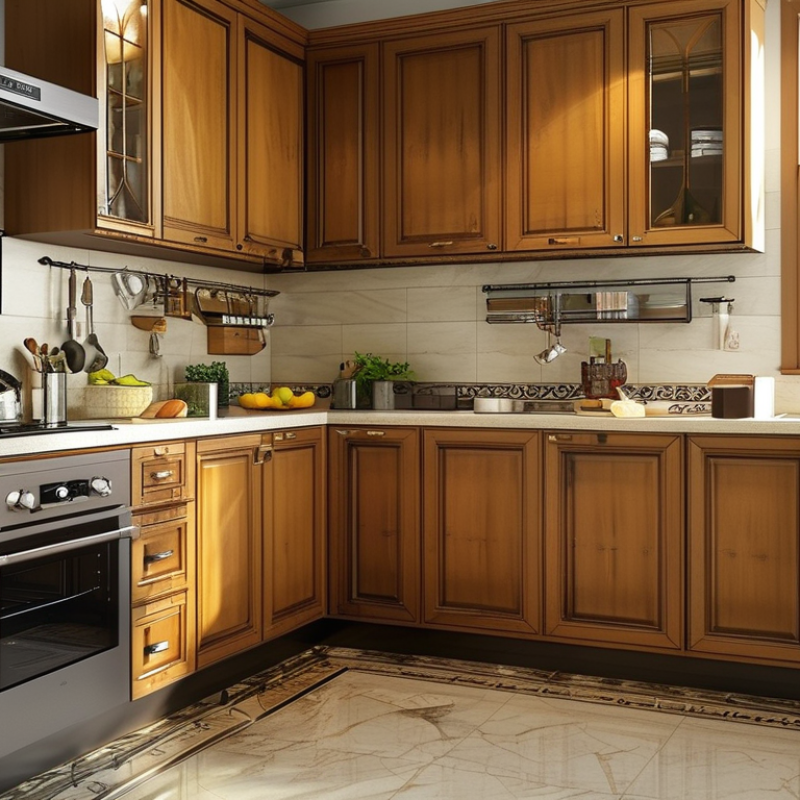
Choosing the right kitchen cleaner for stubborn stains can feel overwhelming. Not all cleaners are made equal, and the options available vary in effectiveness. Begin by assessing the types of stains and grease you’re dealing with. A cleaner that works well on baked-on grease might struggle with sticky residues, so it’s essential to find one that addresses your specific needs.
Consider formulations that focus on enzymatic or natural ingredients. These can provide powerful cleaning without harsh chemicals. Some products can excel in cutting through grime. Yet, they might also require longer dwell times for maximum effectiveness. This aspect can be frustrating if immediate results are your goal. Remember, not every tough stain will vanish with a simple wipe. Sometimes, a thorough application is necessary to achieve the desired outcome.
Cleaning requires practice and patience. You might find that trial and error lead you to the ideal solution. Try different methods on smaller areas first to gauge their effectiveness. Also, be prepared for the possibility that some stains may require multiple applications or different products. Adjusting your approach based on the results can help in refining your cleaning strategy.
Understanding the types of stains in your kitchen is crucial for effective cleaning. Grease stains are common and often stubborn. They can accumulate on countertops, stovetops, and walls, making your kitchen look unkempt. The best approach is to use a degreaser that breaks down the grease, making it easier to wipe away.
For food stains, consider the source. Tomato sauce, coffee, and wine require different solutions. Acidic cleaners can work wonders on tomato stains, while baking soda can help absorb coffee spills. Make a paste and apply it directly to the stain. Let it sit for a few minutes before rinsing.
Maintaining clean surfaces is a constant challenge. Regularly wash your kitchen tools and surfaces to prevent tough stains from becoming a problem. Using a microfiber cloth can also improve your cleaning efficiency. Ensure you always wipe in one direction, leading to a neat finish. Remember, consistency is key. Each cleaning session can build toward a spotless kitchen over time, but don’t be afraid to adjust your methods if you find certain stains remain.
When it comes to combating tough kitchen stains and grease, the ingredients in cleaners play a critical role. Studies show that cleaners containing surfactants and solvents are often most effective. Surfactants break down grease molecules, making them easier to wipe away. Solvents, on the other hand, dissolve sticky substances that can be difficult to remove.
A particular report from the Cleaning Industry Research Institute highlights that products with high concentrations of surfactants typically yield superior results. However, not all surfactants are created equal. The efficacy can vary widely. It’s important to choose formulas that are specifically designed for kitchen use. Many multipurpose cleaners lack the necessary potency against kitchen grime and grease.
Another consideration is the safety of these ingredients. While strong cleaners can be effective, they may contain harsh chemicals. A balance is essential. The best formulations blend powerful cleaning agents with safer additives. This ensures effectiveness while minimizing potential harm to surfaces and human health. Always check labels and look for ingredients that suit your specific needs. Finding the right cleaner may take some trial and error.
Cleaning a kitchen effectively involves more than just a quick wipe-down. It's essential to adopt a systematic approach. Start by decluttering surfaces. This step not only makes cleaning easier but helps in assessing tough stains. Research indicates that kitchen environments can harbor up to 300 different types of bacteria. Therefore, thorough cleaning is vital for maintaining hygiene.
Focus on high-traffic areas like countertops and stovetops. A mixture of vinegar and baking soda can effectively dissolve grease and stains. Make a paste for stubborn spots. Apply it, let it sit, then scrub gently. This method utilizes natural ingredients that are both effective and safe.
For tougher stains, consider using enzymatic cleaners. They break down organic material and can be very effective. However, remember that scrubbing too aggressively can damage surfaces. Always test a small area first.
After cleaning, pay attention to drying. Leaving surfaces damp can encourage bacterial growth. Make drying a priority to avoid potential slip hazards. Effective cleaning combines diligence and the right techniques to create a safe and inviting kitchen space.
When tackling tough stains and grease in the kitchen, safety should be a top priority. Common cleaning agents often contain harsh chemicals. According to a report by the Environmental Protection Agency, many traditional cleaners emit volatile organic compounds (VOCs), which can cause respiratory issues. Choosing safer alternatives not only protects your health but also reduces indoor air pollution.
Eco-friendly alternatives are becoming increasingly effective. For example, vinegar and baking soda can tackle grease without harmful side effects. Research from the Green Science Policy Institute found that these natural cleaning agents are effective against many kitchen stains. Additionally, they are biodegradable and less harmful to aquatic life when washed down the drain.
It's worth noting that while natural cleaners are generally safer, they come with some limitations. For instance, stubborn stains may require more effort to remove. Users should not expect instant results every time, as effectiveness can vary based on the type of stain or grease. Reflecting on these points can lead to more informed choices about kitchen cleaning practices.
: Assess the types of stains you have. Focus on cleaners that target specific needs.
Look for surfactants and solvents. They break down grease and dissolve sticky residues.
Yes, natural cleaners can be powerful. They often contain enzymes that help with grime removal.
Some cleaners need longer dwell times. This may be frustrating if you want quick results.
It’s better to choose kitchen-specific cleaners. Multipurpose ones may lack necessary potency.
Sometimes, it may require multiple tries. Adjust your method based on the results you see.
Check ingredients on labels. Aim for a balance between effectiveness and safety.
Cleaning often requires practice and patience. Expect some trial and error in finding the right solution.
Rushing the process or not testing products first can lead to frustration. Take your time to refine your approach.
When it comes to tackling tough stains and grease in the kitchen, choosing the right kitchen cleaner is essential. Understanding different types of stains, such as grease, food residue, and burnt marks, helps in selecting the most effective cleaning solutions tailored for each situation. Various ingredients in kitchen cleaners offer unique properties for grease removal, making it crucial to compare options for optimal results.
A step-by-step guide to efficient kitchen cleaning techniques can enhance cleanliness while ensuring safety during the process. Utilizing eco-friendly alternatives and following safety tips not only protects your health but also promotes a sustainable approach to kitchen maintenance. By integrating these strategies, you can ensure your kitchen remains spotless and inviting.

ClanZhao